
Non-ferrous Metals
Metal Capillary
Advanced Ceramics
Boron Nitride Ceramic
Pyrolytic Boron Nitride
Silicon Nitride Ceramic
Aluminum Nitride Ceramic
Zirconia Ceramic
Alumina Ceramic
Silicon Carbide Ceramic
Deposition Materials
Semimetal Elements
Functional Materials
Neodymium Magnets
Neodymium Disc Magnets
Neodymium Cylinder Magnets
Neodymium Block Magnets
Neodymium Ring Magnets
Neodymium Countersunk Magnets
Magnetic Assemblies
Arc Magnets
Custom Shaped Magnets
Rare Earth Elements


Silicon Carbide Ceramic
Silicon carbide (SiC), also known as corundum, was originally used in the mechanical processing industry due to its superhard properties. It was made into various grinding wheels, emery cloths, sandpapers and various abrasives for grinding. Silicon carbide ceramics also have a high thermal conductivity, so silicon carbide ceramics have been widely used in high-temperature bearings, bulletproof plates, nozzles, high-temperature corrosion-resistant components, high-temperature and high-frequency electronic equipment components, etc.
We mainly provide reaction-sintered silicon carbide, pressureless sintered silicon carbide and recrystallized silicon carbide ceramic products.
The advantages of reaction-sintered silicon carbide are low sintering temperature, low production cost, and high degree of material densification. In particular, the volume shrinkage during reaction sintering is very small, which is particularly suitable for the preparation of large-sized and complex-shaped structural parts. High-temperature kiln materials, radiant tubes, heat exchangers, desulfurization nozzles, etc. are all typical applications of reaction-sintered silicon carbide ceramics.
Pressureless sintered silicon carbide is to densify silicon carbide powder through a high-temperature sintering process without applying additional pressure. The shrinkage rate of pressureless sintered products is relatively large.
The density, bending strength and compressive strength of reaction-sintered silicon carbide are lower than those of pressureless-sintered silicon carbide products, and the maximum operating temperature of reaction-sintered silicon carbide ceramic products is 1380°C, which is lower than the temperature resistance of pressureless-sintered silicon carbide products at 1600°C. Pressureless-sintered silicon carbide products are more resistant to strong acid and alkali corrosion than reaction-sintered silicon carbide products.
Recrystallized silicon carbide has a high sintering temperature (2100-2300°C), is resistant to high temperatures, and has a maximum operating temperature of 1650 degrees. The product is loose inside, has a high porosity, and has a higher thermal expansion coefficient than reaction/pressureless-sintered silicon carbide, with excellent high temperature resistance and thermal shock resistance.
Silicon Carbide Properties
-High hardness, Mohs hardness level 9
-High high temperature strength, can maintain its strength at temperatures up to 1400℃
-High thermal conductivity
-Resistant to chemical reactions
-Stable chemical and physical properties, corrosion resistance
-Its electrical conductivity is between metals and insulating materials
Applications of Silicon Carbide
-Potential to replace traditional semiconductors such as silicon in high temperature applications
-Grinding wheels and sandpaper and cloth products
-High temperature bricks and other refractory materials
-Abrasives and cutting tools
-Structural materials
-Automotive parts
-Electronic circuit components
-Filament pyrometers
-Catalyst carriers
Sintering methods for Silicon Carbide
We mainly provide reaction-sintered silicon carbide (RBSiC), pressureless-sintered silicon carbide (SSiC), and recrystallized silicon carbide (RSiC) ceramic products.
The advantages of RBSiC are low sintering temperature, low production cost, and high material densification degree. In particular, the volume shrinkage during reaction sintering is very small, which is particularly suitable for the preparation of large-sized and complex-shaped structural parts. High-temperature kiln furniture, radiation tubes, cold air ducts, nozzles, etc. are typical applications of RBSiC ceramics.
SSiC densifies silicon carbide powder through a high-temperature sintering process without applying additional pressure, and the shrinkage rate of SSiC products is relatively large.
The density, flexural strength, and compressive strength of RBSiC are lower than those of SSiC products, and the maximum operating temperature of RBSiC ceramic products is 1380℃, which is lower than the temperature resistance of SSiC products at 1600℃. SSiC products are more resistant to strong acid and alkali corrosion than reaction-sintered silicon carbide products.
RSiC has a high sintering temperature (2100~2300 ℃), is resistant to high temperatures, and its maximum operating temperature can reach 1650 degrees. The product is loose inside, has high porosity, has a higher thermal expansion coefficient than reactive/pressureless sintered silicon carbide, and has excellent high-temperature resistance and thermal shock resistance.
Edgetech Industries Advanced Ceramics pision is a leading supplier in the field of ceramic materials. We provide high-purity silicon carbide ceramic products at competitive prices, including SiC ceramic rods, tubes, sheets, plates, discs and customized parts.
Products
-
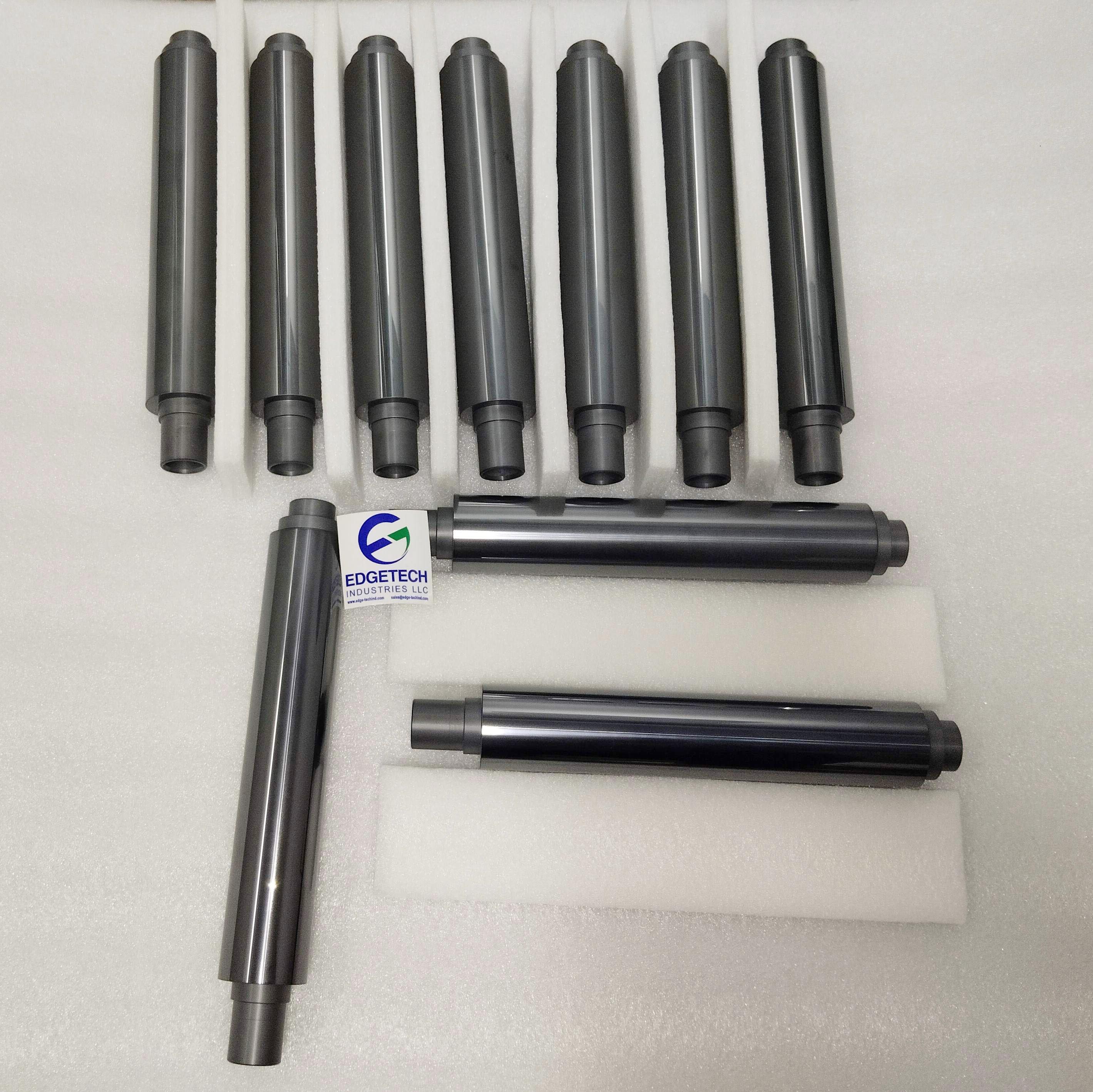
Silicon Carbide Tube
Edgetech produces sintered silicon carbide tubes, reaction-bonded SiC tubes, and recrystallized SiC tubes. Our recrystallized SiC products have high purity, while our reaction-bonded and sintered silicon carbide ceramic
-
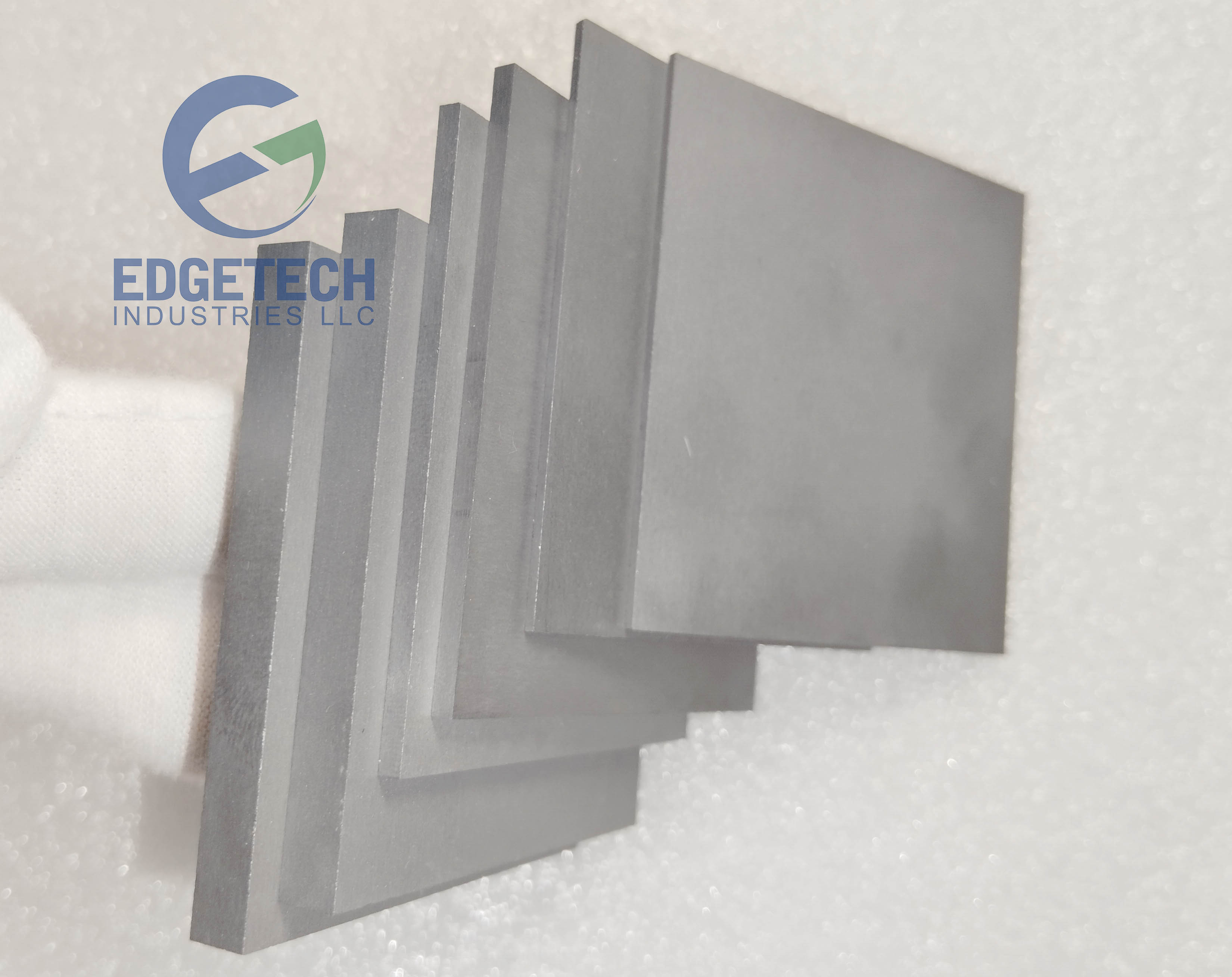
Silicon Carbide Plate
SiC Ceramic Plates Silicon carbide is a material with a very high hardness, Mohs hardness of 9.5, second only to the world’s hardest diamond (level 10), with excellent thermal conductivity, and is a semiconductor that resists oxidation at
-
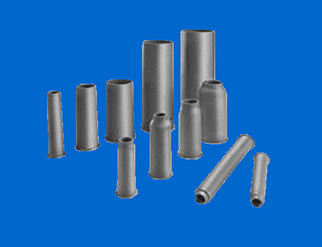
Silicon Carbide Nozzle
Edgetech provides silicon carbide ceramic nozzles according to drawings, and other customized ceramic parts.Silicon Carbide Nozzles are often used in spraying processes under high temperature, high pressure, and corrosive environments.
-
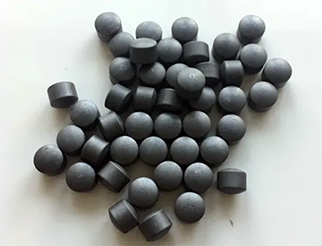
Silicon Carbide Grinding Media
SiC Ceramic Grinding Media Silicon carbide is known for its extreme hardness, second only to diamond, which allows for effective grinding of hard and abrasive materials such as ceramics and minerals. Available in the form of ceramic beads or&nbs
-
 Bearing.jpg "Silicon Carbide Bearings")
Silicon Carbide Bearings
SiC Ceramic Bearing Silicon carbide (SiC) has excellent thermal conductivity, corrosion resistance, and low thermal expansion. Silicon carbide is an excellent ceramic material for applications that require good corrosion and wear resistance. Silicon
-
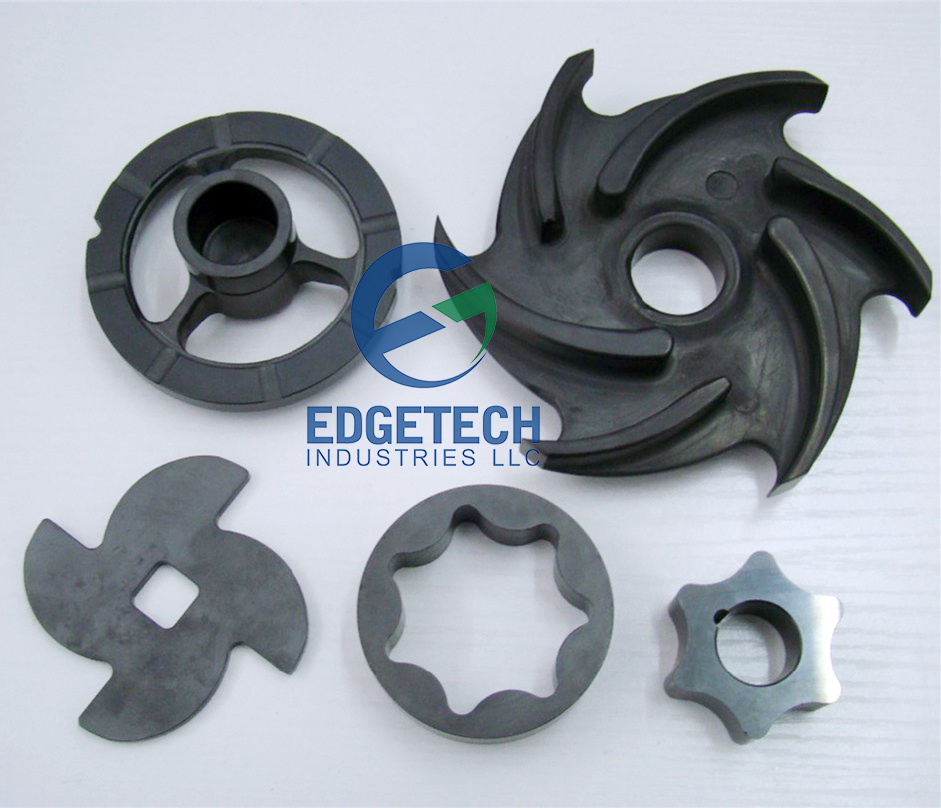
Silicon Carbide Pump Shaft Parts
SiC Ceramic Pump Shaft Parts Silicon carbide Pump Shaft Parts mainly include the pump shaft, thrust plate, sleeve, support plate, etc. Silicon carbide is resistant to wear, acid, and alkali corrosion, and has good sealing performance, making it the
-
 Gasket.jpg "Silicon Carbide Gasket")
Silicon Carbide Gasket
SiC Ceramic Gasket Reaction-bonded Silicon carbide has the advantages of wear resistance, high-temperature resistance, good self-lubrication, high mechanical strength, strong chemical corrosion resistance, and high PV value. It can be used in high-t
-
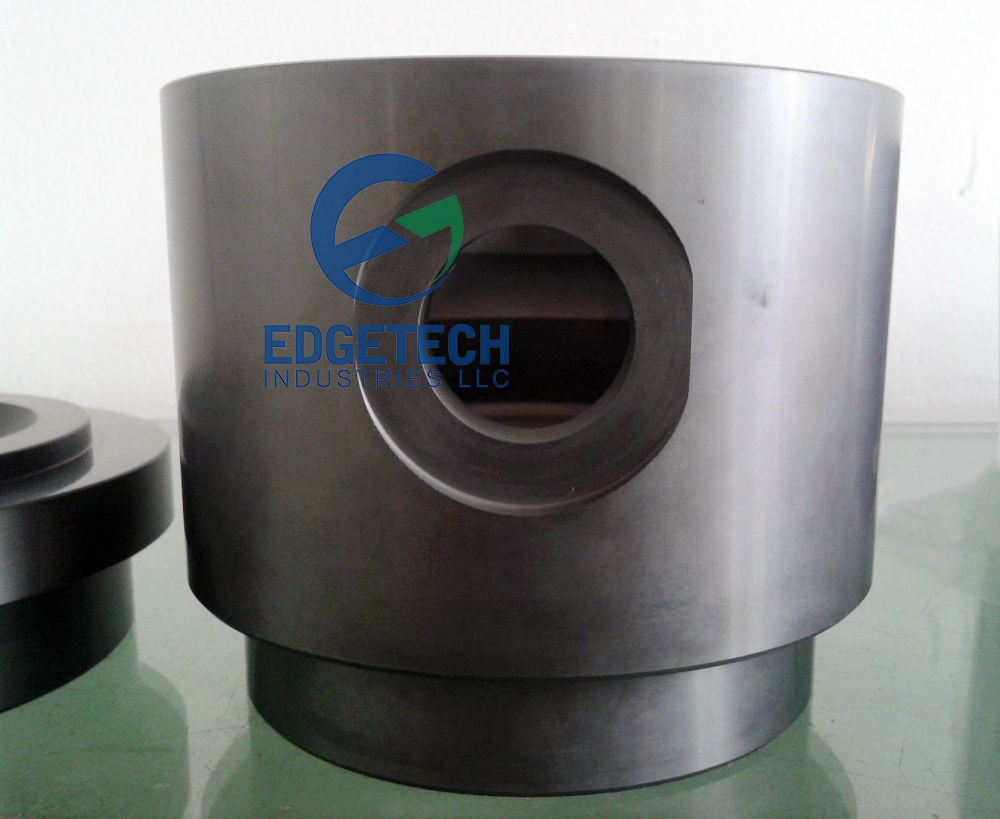
Silicon Carbide Valve
Silicon Carbide (SiC) is a lightweight ceramic material with high-strength properties comparable to diamond. It has excellent thermal conductivity, low thermal expansion, and is resistant to acid and alkali corrosion. We supply Silicon carbide valves
-
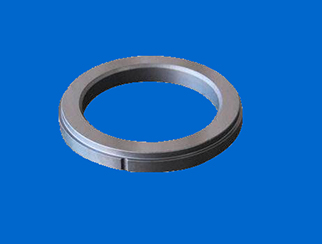
Silicon Carbide Seal Ring
SiC Ceramic Seal Rings Silicon carbide (SiC) is a lightweight ceramic material with strength comparable to that of diamond, making it an ideal material for mechanical seal rings. The important characteristics of silicon carbide sealing rings are exc
-
 Trays.jpg "Silicon Carbide Trays")
Silicon Carbide Trays
SiC Ceramic Tray The Silicon Carbide Trays uses high-purity pressureless sintered silicon carbide ceramic as its raw material, which has the advantages of high hardness, wear resistance, high thermal conductivity, stable mechanical properties at hig
-
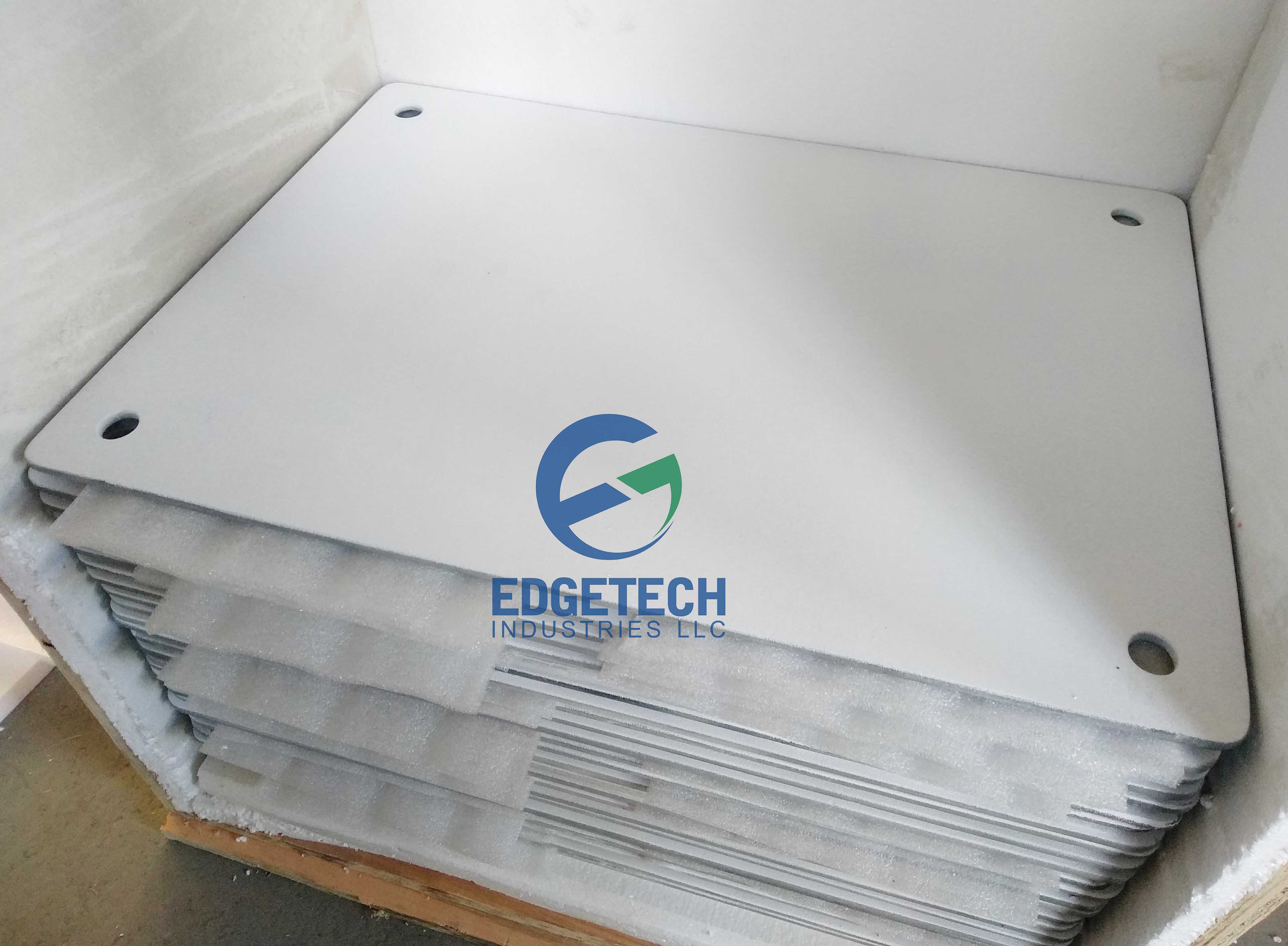
Silicon Nitride Bonded Silicon Carbide
NBSiC Ceramics Silicon nitride bonded silicon carbide products are a structural ceramic material, made of high-purity SiC and Si powder as raw materials, slurry injection molding green body, and sintered by nitriding reaction. Silicon nitride combin
-
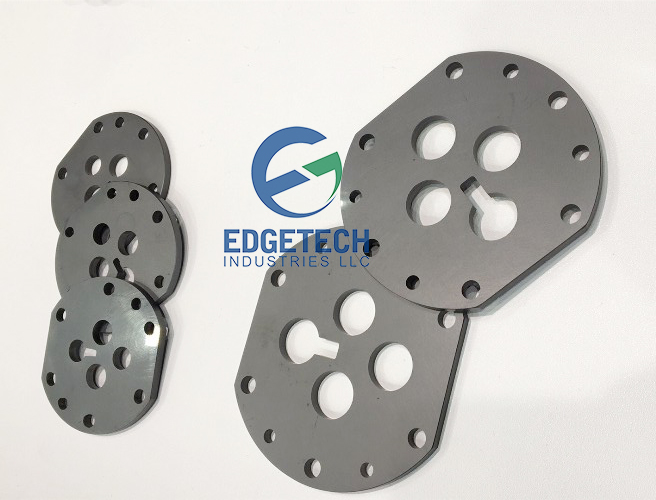
Pressureless Sintered Silicon Carbide (SSiC)
Pressureless sintered silicon carbide ceramics use high-purity, ultra-fine silicon carbide powder as raw material, add a small amount of sintering aids such as boron and carbon, and densify the silicon carbide powder through a high-temperature sinte
-

Reaction Bonded Silicon Carbide (RBSiC)
Reaction Sintered Silicon Carbide (RBSiC) ceramic has excellent properties such as good compressive strength at ambient temperature, resistance to heat and air oxidation, good wear resistance, good heat resistance, small linear expansion coefficient
-
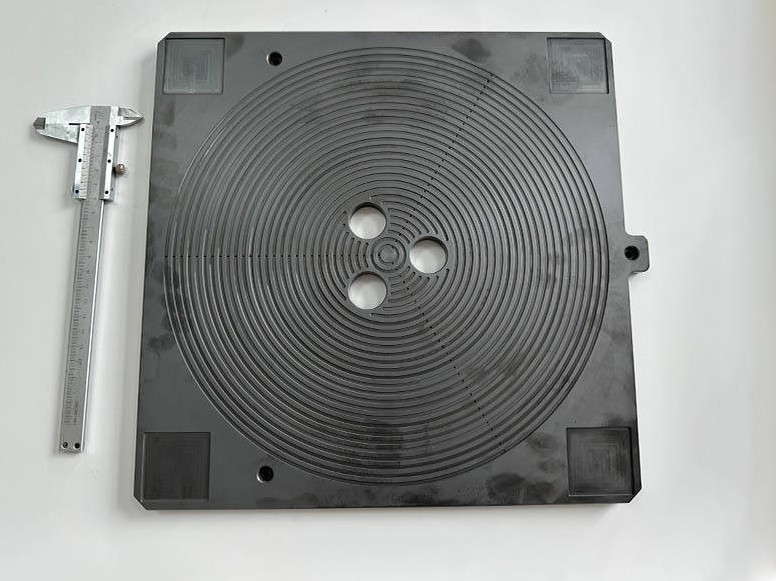
Silicon Carbide Chuck
Silicon carbide ceramics have excellent mechanical properties, such as high strength and hardness, as well as excellent high-temperature stability, such as high thermal conductivity and low thermal expansion coefficient. They are often used as sucti