
Non-ferrous Metals
Metal Capillary
Advanced Ceramics
Boron Nitride Ceramic
Pyrolytic Boron Nitride
Silicon Nitride Ceramic
Aluminum Nitride Ceramic
Zirconia Ceramic
Alumina Ceramic
Silicon Carbide Ceramic
Deposition Materials
Semimetal Elements
Functional Materials
Neodymium Magnets
Neodymium Disc Magnets
Neodymium Cylinder Magnets
Neodymium Block Magnets
Neodymium Ring Magnets
Neodymium Countersunk Magnets
Magnetic Assemblies
Arc Magnets
Custom Shaped Magnets
Rare Earth Elements
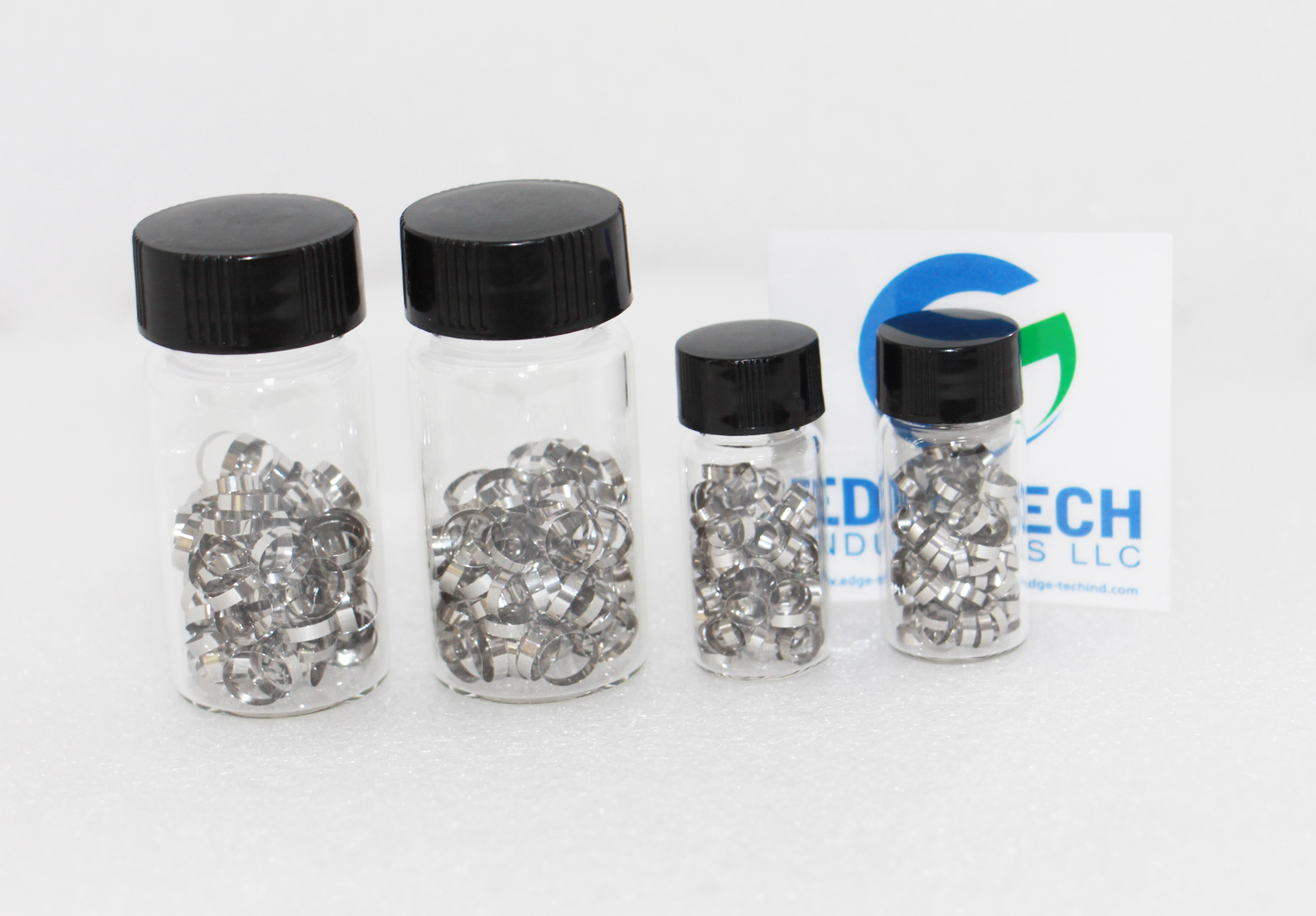

Tantalum: The Ideal Material for Radiopaque Marker Bands
When it comes to selecting materials for Radiopaque Marker Bands, Tantalum is often the material of choice. Known for its high density and excellent radiopacity, Tantalum ensures that marker bands are clearly visible under X-ray imaging, making it easier for healthcare professionals to navigate medical devices within the body.
Tantalum& #39;s biocompatibility is another significant advantage. Unlike some other metals, Tantalum is well-tolerated by the human body, reducing the risk of adverse reactions. This makes it an ideal material for use in medical devices that come into direct contact with bodily tissues.
In addition to its radiopacity and biocompatibility, Tantalum is also highly resistant to corrosion. This ensures that marker bands made from Tantalum maintain their integrity and functionality over time, even when exposed to harsh physiological environments.
Another application where Tantalum shines is in the production of Capillary tubes. These tubes, often used in medical devices for fluid delivery, benefit from Tantalum& #39;s durability and resistance to corrosion, ensuring reliable performance throughout the device& #39;s lifespan.
In conclusion, Tantalum& #39;s unique properties make it an ideal material for radiopaque marker bands and other medical device components. Its radiopacity, biocompatibility, and corrosion resistance ensure that medical devices function effectively and safely, ultimately improving patient outcomes.