
Non-ferrous Metals
Metal Capillary
Advanced Ceramics
Boron Nitride Ceramic
Pyrolytic Boron Nitride
Silicon Nitride Ceramic
Aluminum Nitride Ceramic
Zirconia Ceramic
Alumina Ceramic
Silicon Carbide Ceramic
Deposition Materials
Semimetal Elements
Functional Materials
Neodymium Magnets
Neodymium Disc Magnets
Neodymium Cylinder Magnets
Neodymium Block Magnets
Neodymium Ring Magnets
Neodymium Countersunk Magnets
Magnetic Assemblies
Arc Magnets
Custom Shaped Magnets
Rare Earth Elements
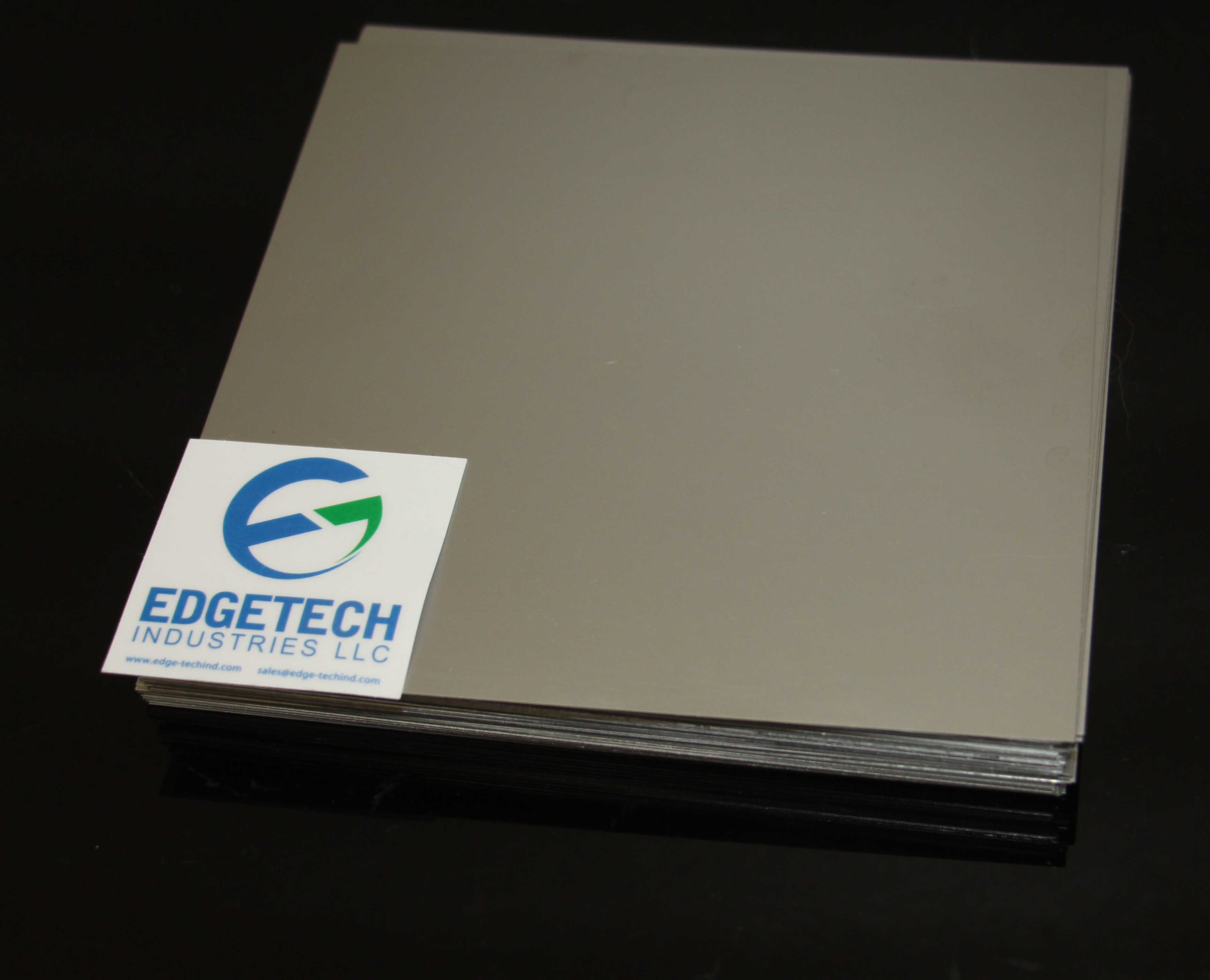

Nitinol Sheet for Robotics and Actuation: Smarter Motion Through Smart Materials
Modern robotics is evolving beyond rigid gears and motors. Soft robotics, micro-mechanical systems, and adaptive mechanisms require materials that behave naturally, flexibly, and predictably. Nitinol sheet, with its programmable shape-memory and superelastic traits, has become one of the most promising actuation materials for next-generation robotics.
1. Nitinol Sheet as an Artificial Muscle
Nitinol sheet can be integrated into:
-soft robotic arms
-gripping mechanisms
-micro-actuators
-wearable assist devices
When heated, Nitinol contracts and produces controlled movement—similar to biological muscle.
2. Precision Actuation Without Motors
Traditional actuators require:
-gears
-bearings
-lubrication
-power-hungry motors
Nitinol sheet provides motion through:
-thermal actuation
-bias forces
-magnetic or electrical heating systems
This allows robotics engineers to design small, silent, low-power mechanisms.
3. Superelastic Elements for Soft Robotics
Robots that interact with humans need safe, compliant components.
Nitinol sheet offers:
-bendability
-resilience
-natural damping
-no permanent deformation
This makes it ideal for exoskeletons, medical robots, and collaborative robots.
4. Micro-Robotics and Surgical Robots
Thin Nitinol sheet enables:
-miniature robotic joints
-deployable arms
-catheters with movable tips
-precision surgical tools
Its phase-based motion produces extremely smooth and predictable control.
Conclusion
Nitinol sheet is redefining robotic motion. Its superelasticity and shape-memory enable robots that behave more organically, consume less power, and operate with greater precision.