
Non-ferrous Metals
Metal Capillary
Advanced Ceramics
Boron Nitride Ceramic
Pyrolytic Boron Nitride
Silicon Nitride Ceramic
Aluminum Nitride Ceramic
Zirconia Ceramic
Alumina Ceramic
Silicon Carbide Ceramic
Deposition Materials
Semimetal Elements
Functional Materials
Neodymium Magnets
Neodymium Disc Magnets
Neodymium Cylinder Magnets
Neodymium Block Magnets
Neodymium Ring Magnets
Neodymium Countersunk Magnets
Magnetic Assemblies
Arc Magnets
Custom Shaped Magnets
Rare Earth Elements
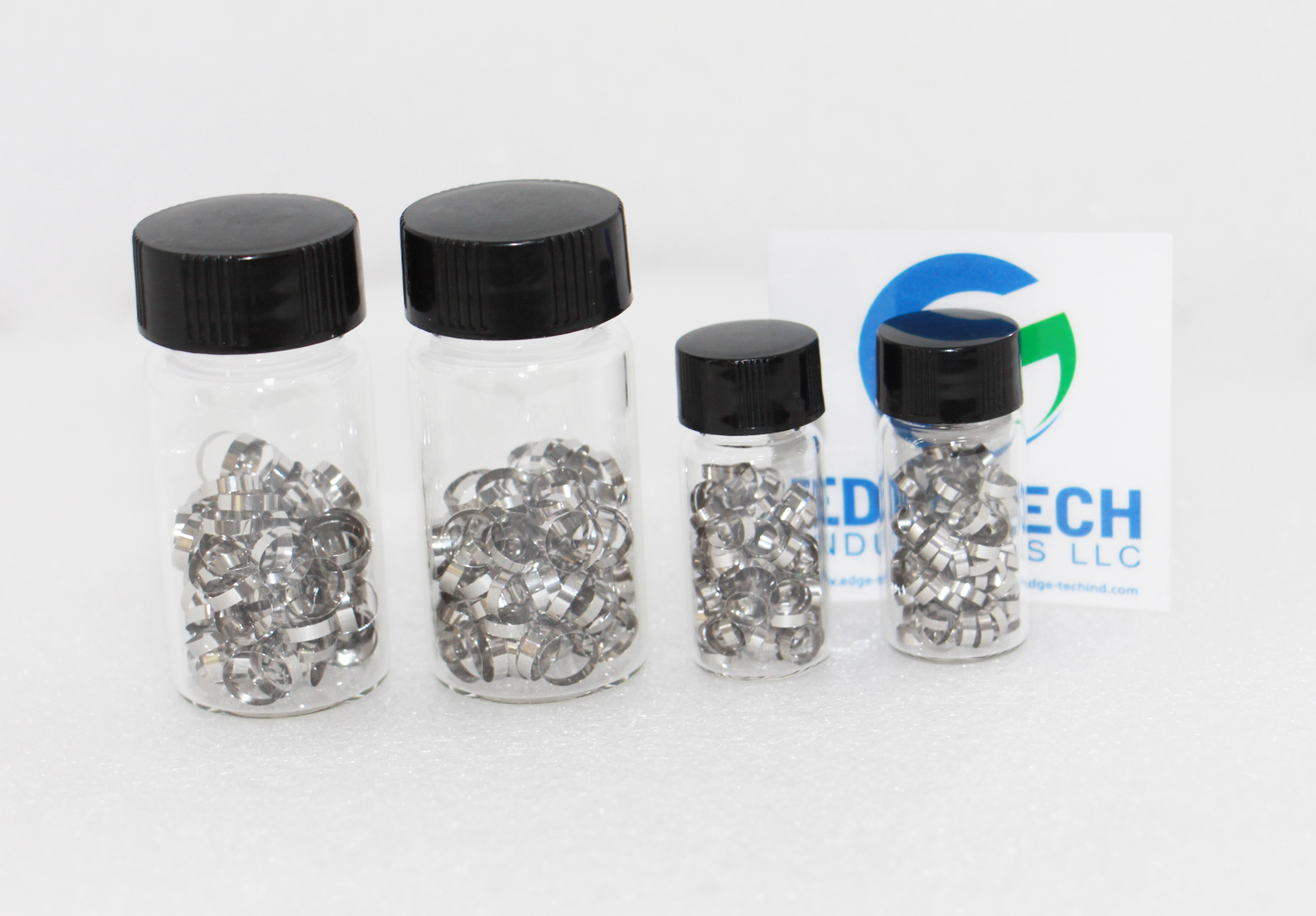

Materials Used in Metal Marker Bands: A Comparison
Introduction
Metal Marker Bands are often chosen for their radiopaque properties, which make them ideal for visibility in medical imaging. This article explores the various materials used to manufacture MMBs and compares their performance in medical applications.
Key Materials in Metal Marker Bands
Platinum:Platinum is one of the most widely used materials for Metal Marker Bands due to its superior radiopacity and biocompatibility.
Iridium:Often used in combination with platinum, iridium enhances the radiopaque quality and strength of MMBs.
Tantalum:Tantalum is used for its hardness and radiopaque properties, especially in devices that need to withstand high levels of stress.
Gold:Though less common, gold is sometimes used in MMBs due to its excellent corrosion resistance.
Silver:In some cases, silver is used due to its cost-effectiveness and satisfactory radiopacity.
Radiopacity and Visibility
The primary purpose of a Metal Marker Band is to provide clear visibility in imaging procedures like X-rays and fluoroscopy. Platinum and iridium are the most radiopaque and provide the clearest images, making them suitable for high-precision medical devices.
Mechanical Properties and Durability
While radiopacity is crucial, the mechanical properties of MMBs, such as strength and resistance to wear, are also important. Tungsten and platinum are known for their excellent durability, while iridium provides additional hardness to the marker band.
Biocompatibility and Safety
Biocompatibility refers to the material’s ability to coexist with body tissues without causing adverse reactions. Platinum and iridium are both highly biocompatible, reducing the risk of inflammation or allergic reactions. Tungsten is also generally safe, though it requires careful design to avoid any potential long-term effects.
Cost Considerations
Platinum iridium alloy, while superior in performance, are more expensive than materials like tungsten or gold. This can be a significant factor in choosing the right material for specific medical applications.
Conclusion
The choice of material for Metal Marker Bands depends on factors like radiopacity, mechanical properties, biocompatibility, and cost. Platinum and iridium are ideal for high-performance medical devices, while tungsten offers a cost-effective alternative without compromising too much on performance.