
Non-ferrous Metals
Metal Capillary
Advanced Ceramics
Boron Nitride Ceramic
Pyrolytic Boron Nitride
Silicon Nitride Ceramic
Aluminum Nitride Ceramic
Zirconia Ceramic
Alumina Ceramic
Silicon Carbide Ceramic
Deposition Materials
Semimetal Elements
Functional Materials
Neodymium Magnets
Neodymium Disc Magnets
Neodymium Cylinder Magnets
Neodymium Block Magnets
Neodymium Ring Magnets
Neodymium Countersunk Magnets
Magnetic Assemblies
Arc Magnets
Custom Shaped Magnets
Rare Earth Elements
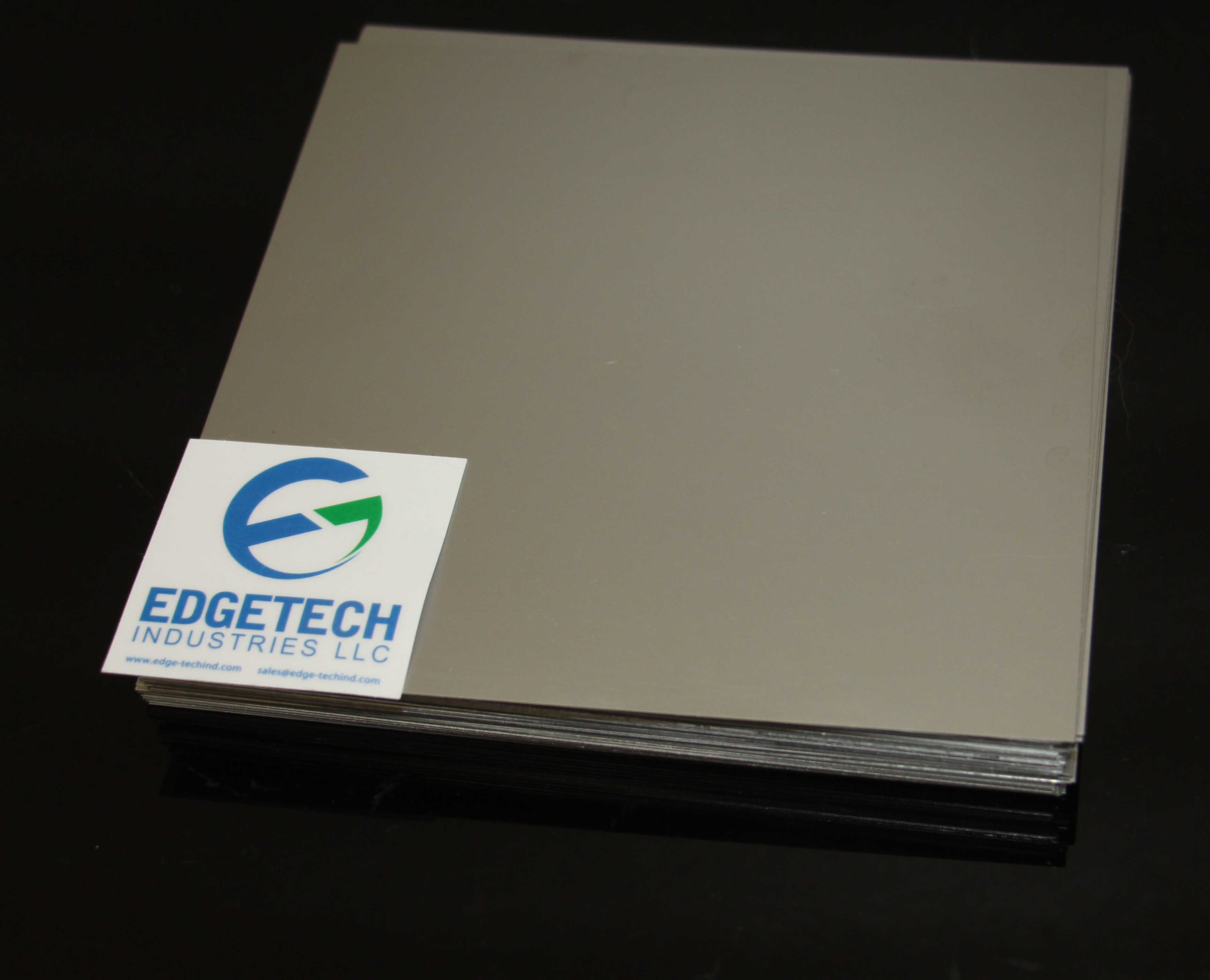

Manufacturing and Processing Challenges of Nitinol Sheet: Why a Good Material Do
A lot of attention goes to the super elastic and shape memory properties of Nitinol Sheet, but experienced engineers know the real story starts after the material is selected. A strong material platform does not automatically translate into a reliable finished part.
The first challenge is cutting quality. Nitinol Sheet is frequently processed by laser cutting or other precision methods, and the material can be sensitive to thermal effects. Recast layer, burr formation, micro-cracking, and local structural change near the cut edge can all affect final performance, especially fatigue resistance.
The second challenge is heat treatment. Since Nitinol is a shape memory alloy, the final behavior depends heavily on how the material is thermally processed. Temperature, hold time, fixturing, and cooling conditions all influence the final functional response. The drawing alone does not define the part. The process does.
The third issue is surface integrity. In many high-end applications, surface condition is not just cosmetic. It can influence corrosion resistance, crack initiation, cleanliness, and downstream finishing quality. In medical and precision industrial uses, surface consistency is often one of the deciding factors in qualification.
Another major challenge is production consistency. Building one successful prototype is not the same as running repeated batches with stable behavior. Thickness variation, prior thermal history, and process repeatability all affect whether a program can move from prototype to production without delay.
That is why selecting Nitinol Sheet is not simply choosing a material. It is choosing a tighter processing window and a manufacturing path that demands better control from both supplier and fabricator.