
Non-ferrous Metals
Metal Capillary
Advanced Ceramics
Boron Nitride Ceramic
Pyrolytic Boron Nitride
Silicon Nitride Ceramic
Aluminum Nitride Ceramic
Zirconia Ceramic
Alumina Ceramic
Silicon Carbide Ceramic
Deposition Materials
Semimetal Elements
Functional Materials
Neodymium Magnets
Neodymium Disc Magnets
Neodymium Cylinder Magnets
Neodymium Block Magnets
Neodymium Ring Magnets
Neodymium Countersunk Magnets
Magnetic Assemblies
Arc Magnets
Custom Shaped Magnets
Rare Earth Elements
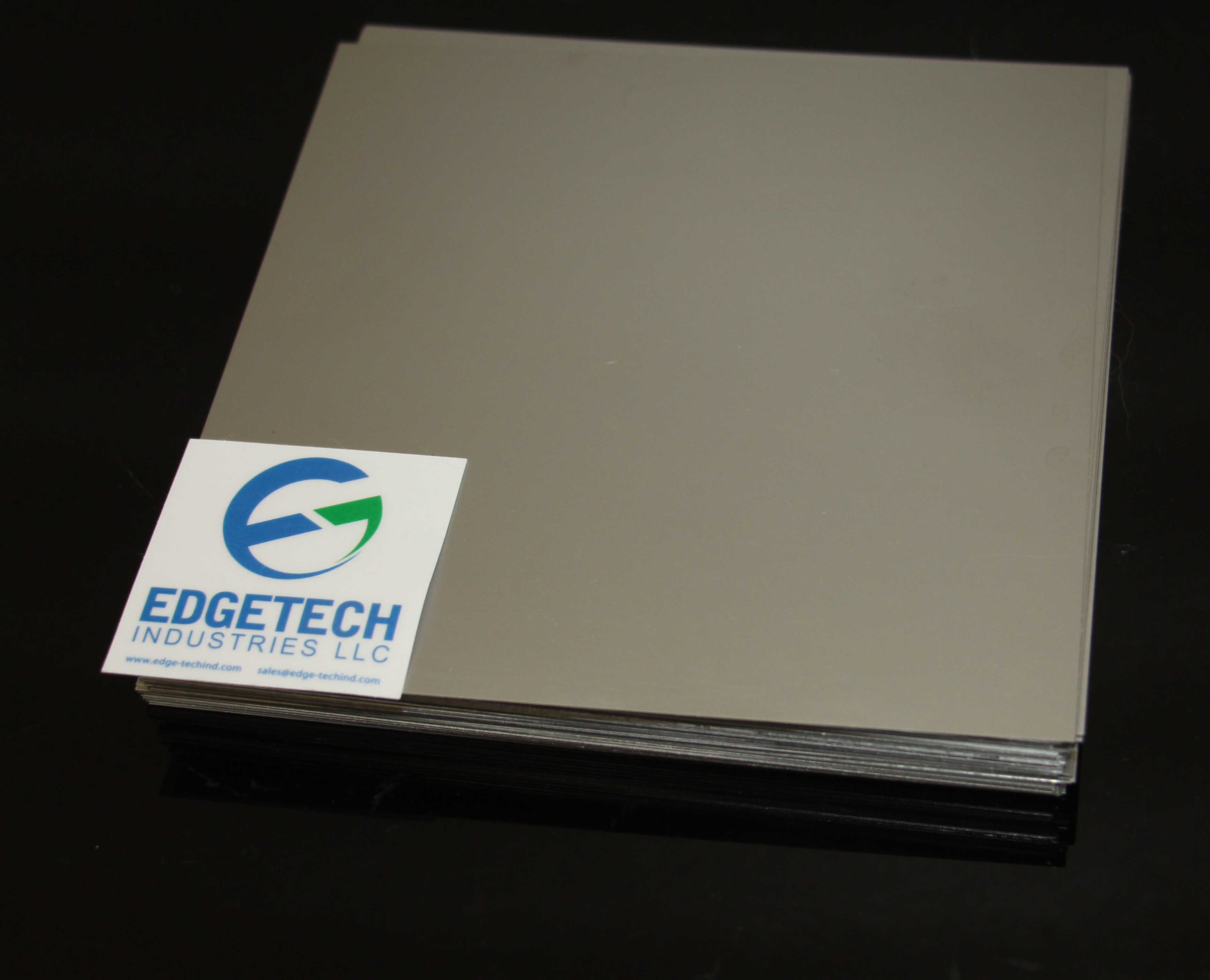

How Nitinol Sheet Is Manufactured: From Raw Alloy to High-Precision Material
Producing Nitinol sheet requires one of the most demanding metallurgical processes in modern materials science. Because Nitinol’s properties depend on exact nickel-titanium ratios and precise control of phase transformations, manufacturing quality directly determines performance.
1. Alloy Melting and Composition Control
Nitinol is melted using:
-vacuum induction melting (VIM)
-vacuum arc remelting (VAR)
-electron beam processing
Composition must be controlled to ±0.02%, otherwise transformation temperatures shift significantly.
2. Hot Forging and Breakdown
Thick ingots are forged at high temperature to break down grain structure and create uniform billets.
3. Hot Rolling into Slabs
Billets are rolled into:
thick plate
intermediate sheet
pre-form stock
Rolling temperature and reduction ratio affect final flexibility and fatigue life.
4. Cold Rolling and Precision Reduction
Cold rolling defines final thickness:
-0.05–0.2 mm for thin sheet
-0.2–2 mm for standard sheet
Each rolling pass requires stress-relief annealing to avoid cracking.
5. Final Heat Treatment
Heat treatment programs:
-shape memory
-transformation temperatures
-superelastic response
6. Surface Finishing
Finishing ensures medical or aerospace-grade cleanliness:
-electropolishing
-oxide removal
-mechanical polishing
-chemical etching
Conclusion
From alloy melting to final finishing, every step of Nitinol sheet manufacturing affects performance. Precision is essential to achieving predictable superelasticity and stable shape-memory behavior.