
Non-ferrous Metals
Metal Capillary
Advanced Ceramics
Boron Nitride Ceramic
Pyrolytic Boron Nitride
Silicon Nitride Ceramic
Aluminum Nitride Ceramic
Zirconia Ceramic
Alumina Ceramic
Silicon Carbide Ceramic
Deposition Materials
Semimetal Elements
Functional Materials
Neodymium Magnets
Neodymium Disc Magnets
Neodymium Cylinder Magnets
Neodymium Block Magnets
Neodymium Ring Magnets
Neodymium Countersunk Magnets
Magnetic Assemblies
Arc Magnets
Custom Shaped Magnets
Rare Earth Elements
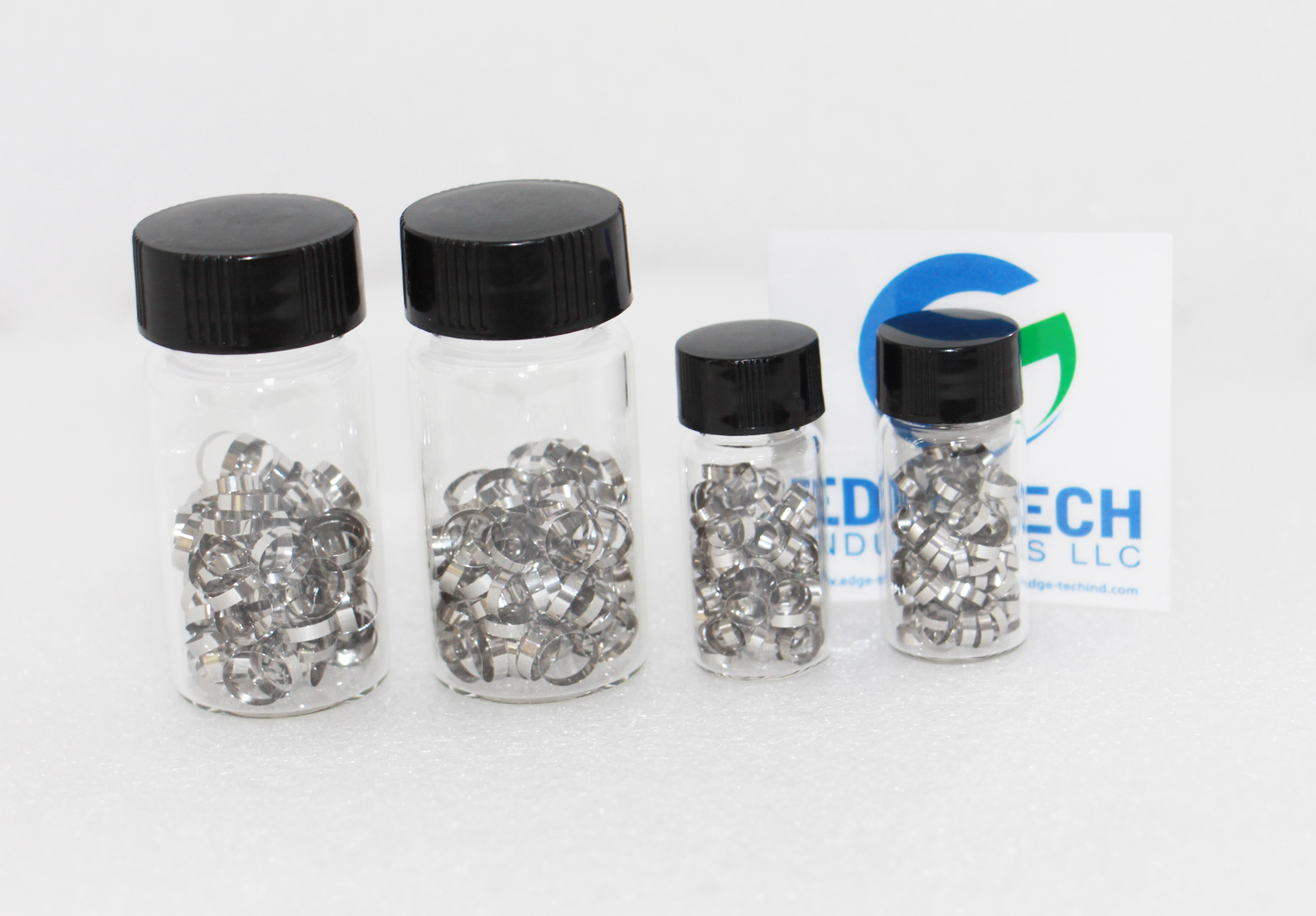

Understanding Marker Bands: The Role of Radiopaque Marker Bands in Medical Devic
Radiopaque Marker Bands play a vital role in the medical device industry, particularly in the development of catheters and guidewires used in minimally invasive procedures. These small but essential components enable healthcare professionals to accurately visualize and position devices within the body using X-ray imaging.
To achieve optimal visibility, marker bands are made from highly dense and radiopaque materials such as Tantalum and Platinum-Iridium alloy. These metals not only enhance image contrast but are also biocompatible, minimizing the risk of adverse tissue reactions. Tantalum, in particular, is widely valued for its excellent radiopacity and biological safety.
Placement of these bands on medical devices is carefully calculated to provide real-time guidance during interventions. This precision is critical in procedures involving delicate anatomy, where even minor misalignment can have serious consequences.
Beyond visibility, durability and corrosion resistance are equally important. Platinum-Iridium alloys offer superior mechanical strength and longevity, ensuring the marker bands remain intact and reliable throughout the lifespan of the device—even in challenging environments within the human body.
In summary, radiopaque marker bands are indispensable components in modern medical technology. Their unique combination of visibility, biocompatibility, and structural integrity makes them a cornerstone in achieving safer, more effective outcomes in interventional medicine.