
Non-ferrous Metals
Metal Capillary
Advanced Ceramics
Boron Nitride Ceramic
Pyrolytic Boron Nitride
Silicon Nitride Ceramic
Aluminum Nitride Ceramic
Zirconia Ceramic
Alumina Ceramic
Silicon Carbide Ceramic
Deposition Materials
Semimetal Elements
Functional Materials
Neodymium Magnets
Neodymium Disc Magnets
Neodymium Cylinder Magnets
Neodymium Block Magnets
Neodymium Ring Magnets
Neodymium Countersunk Magnets
Magnetic Assemblies
Arc Magnets
Custom Shaped Magnets
Rare Earth Elements
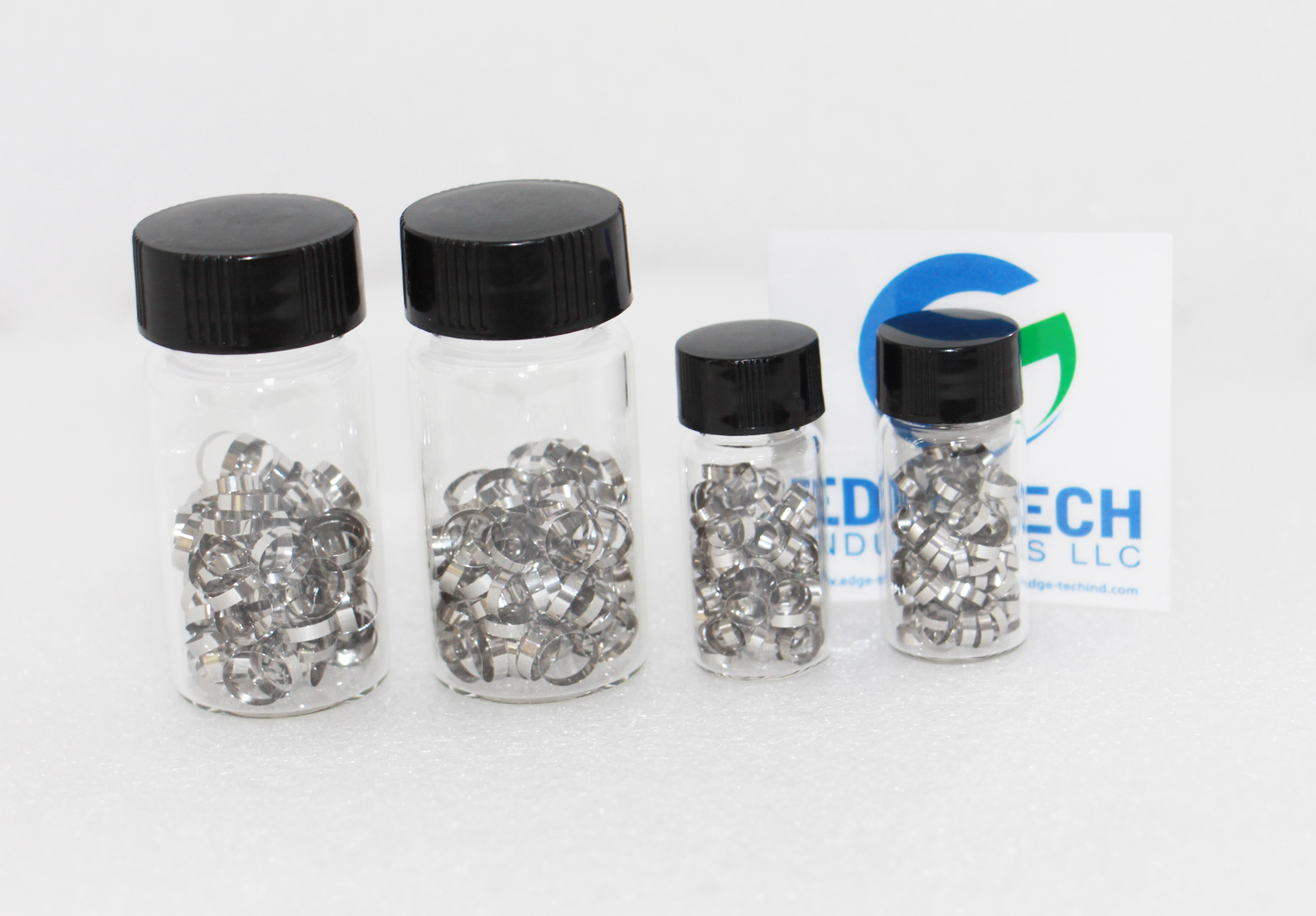

Understanding Marker Bands: The Role of Radiopaque Marker Bands in Medical Devic
Marker bands are essential components in the medical device industry, particularly in the design of catheters and guidewires. Among the various types of marker bands, Radiopaque Marker Bands stand out due to their ability to enhance visibility under X-ray imaging. These bands are typically made from materials like Tantalum or Platinum-iridium alloy, which are known for their high density and radiopacity.
Radiopaque marker bands are strategically placed on medical devices to help healthcare professionals accurately locate and position the device within the body. This is especially crucial during minimally invasive procedures, where precision is key. The use of Tantalum in these bands ensures that they are not only visible but also biocompatible, reducing the risk of adverse reactions.
In addition to their radiopacity, marker bands must be durable and resistant to corrosion. This is where materials like Platinum-iridium alloy come into play. These alloys offer excellent mechanical properties, ensuring that the marker bands maintain their integrity even under harsh conditions.
In conclusion, radiopaque marker bands are indispensable in modern medical devices. Their ability to provide clear visibility under imaging, combined with the durability of materials like Tantalum and Platinum-iridium alloy, makes them a critical component in ensuring the success of medical procedures.