
Non-ferrous Metals
Metal Capillary
Advanced Ceramics
Boron Nitride Ceramic
Pyrolytic Boron Nitride
Silicon Nitride Ceramic
Aluminum Nitride Ceramic
Zirconia Ceramic
Alumina Ceramic
Silicon Carbide Ceramic
Deposition Materials
Semimetal Elements
Functional Materials
Neodymium Magnets
Neodymium Disc Magnets
Neodymium Cylinder Magnets
Neodymium Block Magnets
Neodymium Ring Magnets
Neodymium Countersunk Magnets
Magnetic Assemblies
Arc Magnets
Custom Shaped Magnets
Rare Earth Elements
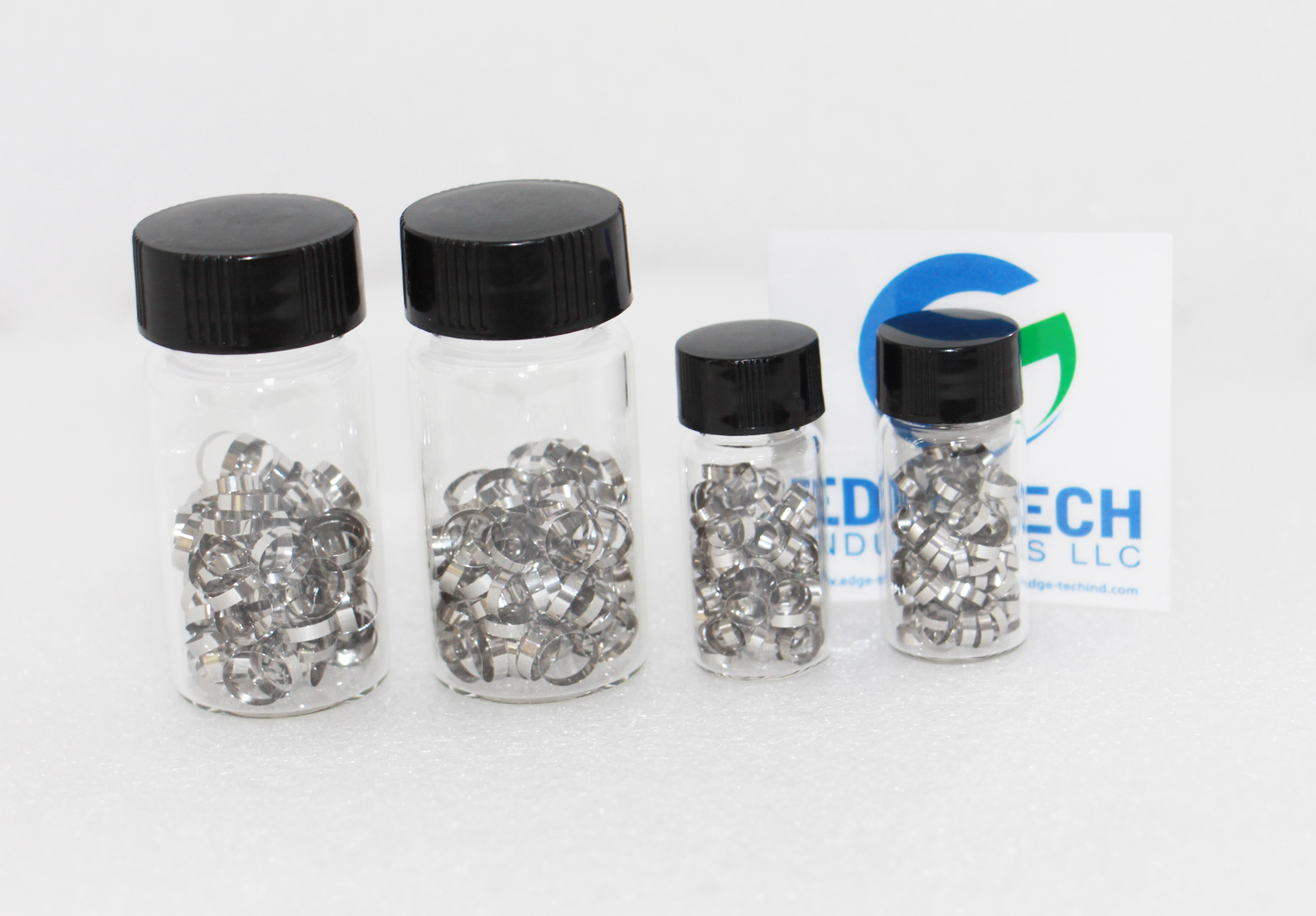

The Manufacturing Process of Metal Marker Bands
Introduction
The production of Metal Marker Bands requires precision, as these small but crucial components play a pivotal role in medical devices. This article explains the various stages involved in manufacturing Metal Marker Bands and the technologies used to ensure their reliability and effectiveness.
Raw Material Selection
The first step in producing MMBs is selecting the right materials. Commonly used metals include platinum, iridium, and tungsten, each chosen for its specific properties such as radiopacity and durability.
Design and Precision Engineering
Metal Marker Bands must be engineered to fit precisely onto medical devices. The design process includes calculating the size, shape, and placement of the marker bands to ensure they provide accurate positioning without interfering with the device& #39;s function.
Manufacturing Techniques
Stamping and Die-Cutting:This is a common method for creating marker bands, where raw material is stamped into the desired shape using precision dies.
Laser Cutting and Etching:Laser technology is often used for creating highly detailed and complex marker band designs. The precision of laser cutting ensures that marker bands are manufactured to exact specifications.
Electroforming:In some cases, metals like gold or platinum are electroformed onto a base material, providing a thin but strong layer of radiopaque material.
Quality Control and Testing
After manufacturing, Metal Marker Bands undergo rigorous quality control to ensure they meet medical device standards. This includes testing for radiopacity, strength, and biocompatibility. Devices are also subjected to stress tests to ensure the marker bands will not fail under normal usage.
Sterilization
Since MMBs are used in medical applications, sterilization is a critical step. Techniques like autoclaving or gamma radiation are used to ensure that the marker bands are free of any pathogens before they are inserted into the body.
Conclusion
Manufacturing Metal Marker Bands is a highly specialized process that requires precision and advanced technology. Each stage, from material selection to sterilization, ensures that the marker bands meet the stringent standards required for medical devices.