
Non-ferrous Metals
Metal Capillary
Advanced Ceramics
Boron Nitride Ceramic
Pyrolytic Boron Nitride
Silicon Nitride Ceramic
Aluminum Nitride Ceramic
Zirconia Ceramic
Alumina Ceramic
Silicon Carbide Ceramic
Deposition Materials
Semimetal Elements
Functional Materials
Neodymium Magnets
Neodymium Disc Magnets
Neodymium Cylinder Magnets
Neodymium Block Magnets
Neodymium Ring Magnets
Neodymium Countersunk Magnets
Magnetic Assemblies
Arc Magnets
Custom Shaped Magnets
Rare Earth Elements
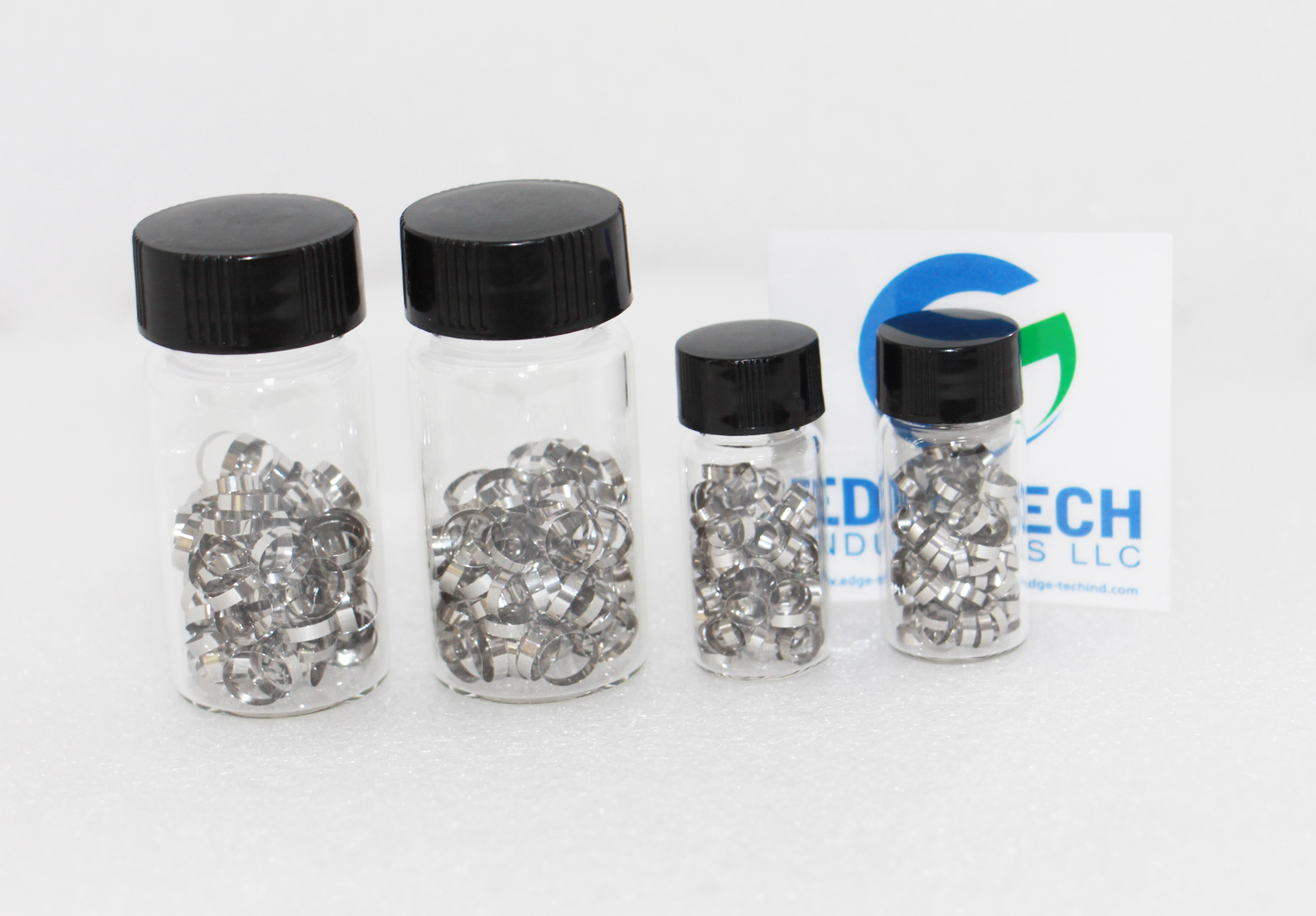

The Importance of Ring Electrodes in Biomedical Applications
When it comes to biomedical applications, Ring Electrodes play a pivotal role in ensuring the accuracy and efficiency of various medical devices. These electrodes are often integrated with Radiopaque Marker Bands to enhance their visibility during imaging procedures.
Ring electrodes are typically made from conductive materials such as Platinum-iridium alloy, which offers excellent electrical conductivity and biocompatibility. This makes them ideal for use in devices like pacemakers and neurostimulators, where reliable electrical contact is essential.
One of the key advantages of using Platinum-iridium alloy in ring electrodes is its resistance to corrosion. This ensures that the electrodes maintain their performance over time, even when exposed to bodily fluids. Additionally, the alloy& #39;s radiopacity allows for easy tracking of the device during implantation and follow-up procedures.
In some cases, ring electrodes are combined with Capillary tubes to facilitate the delivery of medications or other therapeutic agents. This combination not only enhances the functionality of the device but also improves patient outcomes by allowing for targeted treatment.
In summary, ring electrodes are a critical component in many biomedical applications. Their integration with radiopaque marker bands and use of materials like Platinum-iridium alloy ensure that they provide reliable performance and visibility, making them indispensable in modern medical technology.