
Non-ferrous Metals
Metal Capillary
Advanced Ceramics
Boron Nitride Ceramic
Pyrolytic Boron Nitride
Silicon Nitride Ceramic
Aluminum Nitride Ceramic
Zirconia Ceramic
Alumina Ceramic
Silicon Carbide Ceramic
Deposition Materials
Semimetal Elements
Functional Materials
Neodymium Magnets
Neodymium Disc Magnets
Neodymium Cylinder Magnets
Neodymium Block Magnets
Neodymium Ring Magnets
Neodymium Countersunk Magnets
Magnetic Assemblies
Arc Magnets
Custom Shaped Magnets
Rare Earth Elements
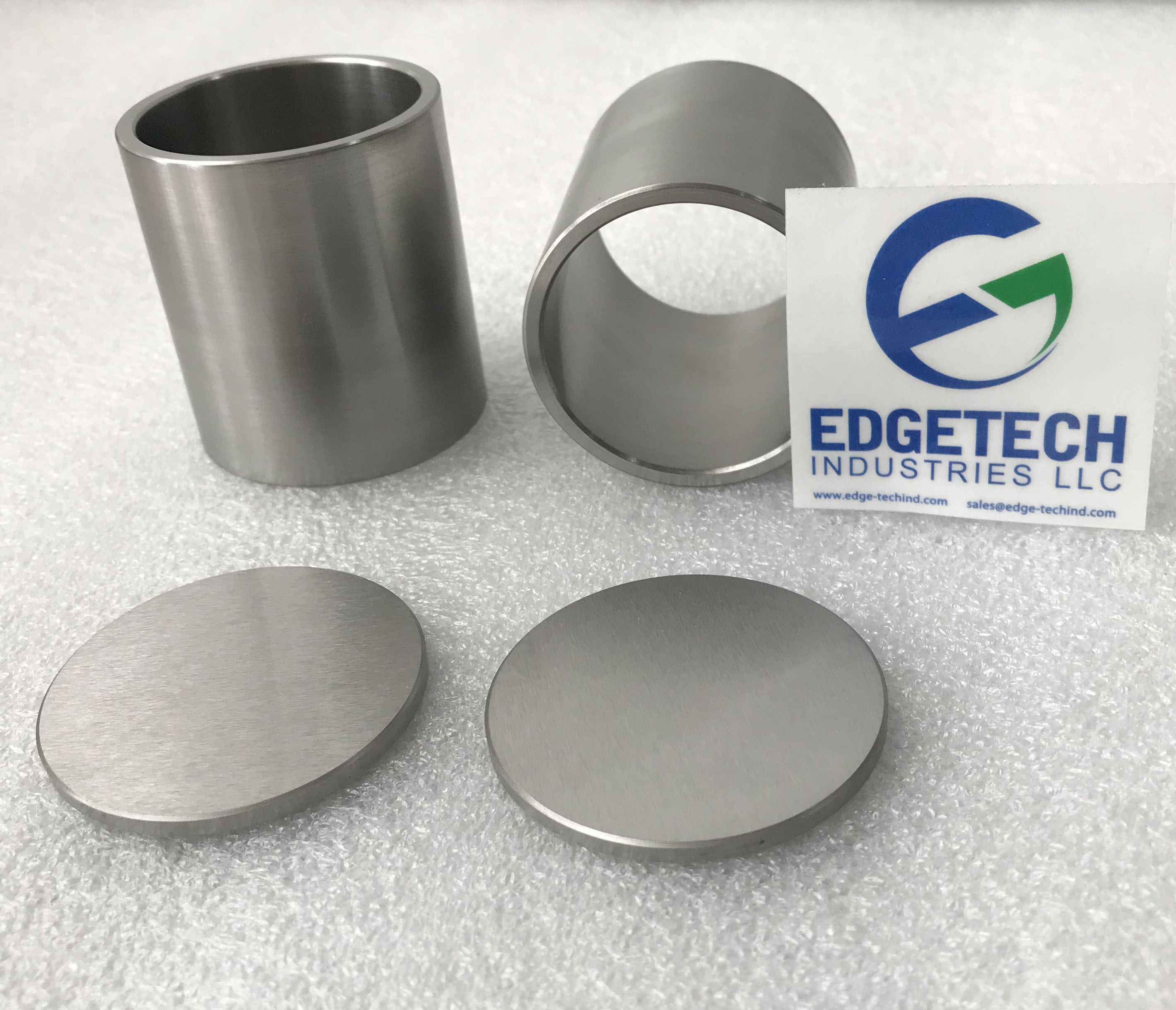

Molybdenum Rods vs. Other Refractory Metals: A Comparative Analysis
Molybdenum rods, often called Moly rods, are widely used in industries that require materials with high melting points and exceptional strength. But how do they compare to other refractory metals like tungsten and tantalum?
Key Comparisons
Melting Point: Molybdenum has a melting point of 2,623°C, while tungsten’s is higher at 3,422°C. However, molybdenum is easier to machine.
Density: Molybdenum is less dense than tungsten, making it a lighter option for applications where weight is a concern.
Cost: Molybdenum rods are generally more cost-effective than tantalum, which is rarer and more expensive.
Corrosion Resistance: While tantalum offers superior corrosion resistance, molybdenum performs well in most industrial environments.
Applications Where Molybdenum Shines
Electronics: Preferred for its balance of performance and cost.
Aerospace: Ideal for components that require both strength and heat resistance.
Energy: Used in nuclear reactors and solar panels.
For many industries, molybdenum rods offer the perfect combination of performance, affordability, and versatility.