
Non-ferrous Metals
Metal Capillary
Advanced Ceramics
Boron Nitride Ceramic
Pyrolytic Boron Nitride
Silicon Nitride Ceramic
Aluminum Nitride Ceramic
Zirconia Ceramic
Alumina Ceramic
Silicon Carbide Ceramic
Deposition Materials
Semimetal Elements
Functional Materials
Neodymium Magnets
Neodymium Disc Magnets
Neodymium Cylinder Magnets
Neodymium Block Magnets
Neodymium Ring Magnets
Neodymium Countersunk Magnets
Magnetic Assemblies
Arc Magnets
Custom Shaped Magnets
Rare Earth Elements
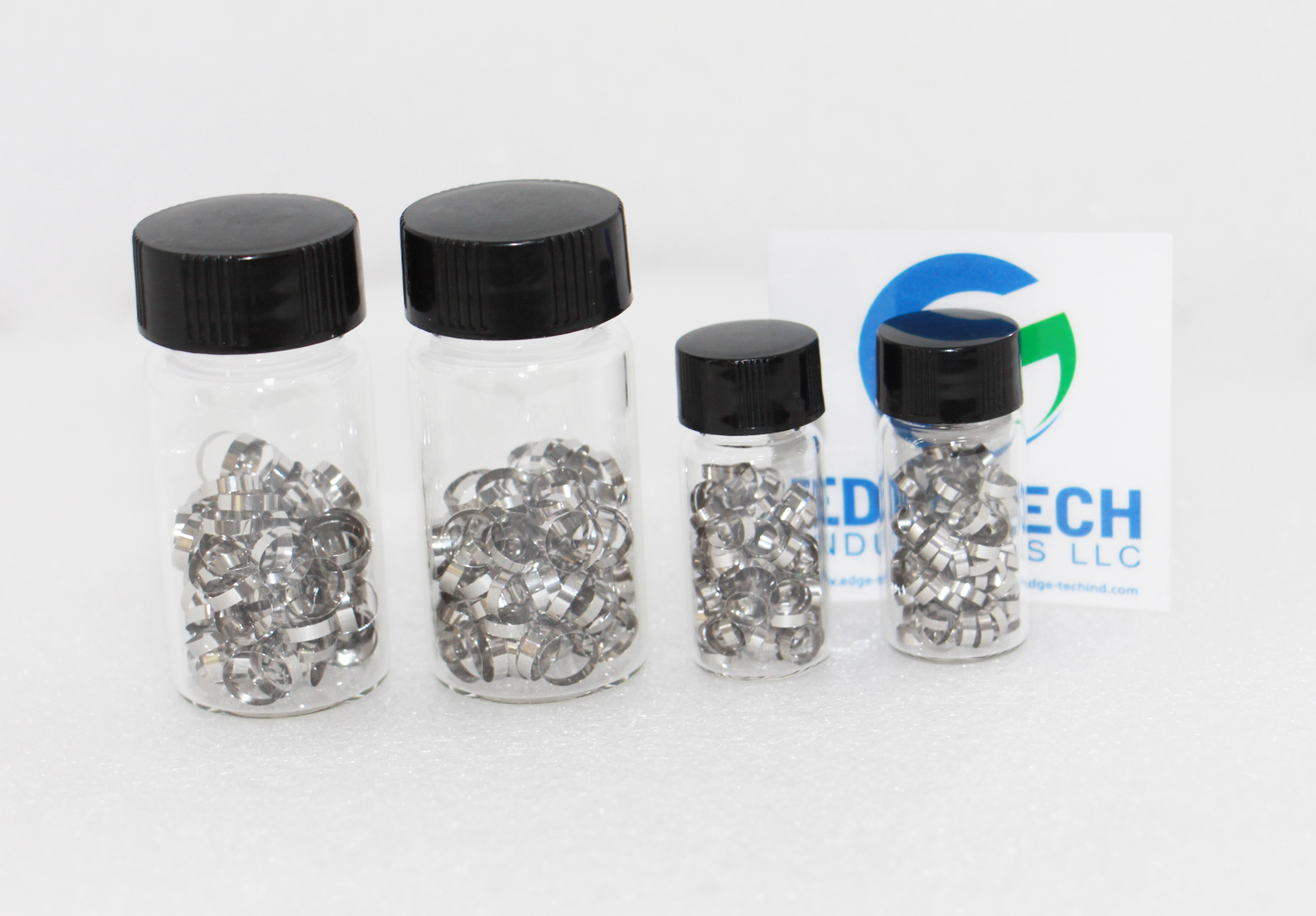

Marker Bands in Medical Devices: A Comprehensive Overview | Edgetech
In the field of minimally invasive medical procedures, marker bands are indispensable components that provide precise imaging guidance for clinicians. These small yet critical elements are integrated into catheters, stents, guidewires, and other interventional devices, enabling accurate positioning and tracking under X-ray, fluoroscopy, or other imaging modalities. This article provides a professional overview of marker bands, covering their materials, applications, advantages, and industry trends.
What Are Marker Bands?
Marker bandsare tiny radiopaque rings or bands incorporated into medical devices to make them visible during imaging procedures. Their primary purpose is to enhance visualization, ensuring devices are accurately deployed within the body. Without marker bands, minimally invasive interventions would lack precision, increasing the risk of complications and procedural errors.
Materials Commonly Used for Marker Bands
Selecting the right material is critical for the performance of marker bands. The most commonly used materials include:
Platinum-Iridium: Offers superior radiopacity, biocompatibility, and corrosion resistance, making it ideal for high-precision applications.
Tantalum: Provides excellent visibility and flexibility, suitable for small and complex devices.
Gold and Tungsten: Occasionally used for specific clinical requirements, offering high density and imaging contrast.
The choice of material depends on device type, required visibility, and clinical environment.
Applications of Marker Bands
Marker bandsare used extensively across a variety of medical devices:
Stents: Ensure accurate deployment and placement within blood vessels.
Catheters: Facilitate navigation through intricate vascular pathways.
Guidewires: Provide real-time position feedback during interventional procedures.
Endovascular Devices: Improve visualization in minimally invasive surgical interventions.
These applications highlight the critical role of marker bands in ensuring patient safety and procedural success.
Advantages of Marker Bands
High Radiopacity: Provides excellent contrast under imaging systems.
Biocompatibility: Safe for prolonged contact with bodily tissues.
Mechanical Strength: Durable and able to withstand procedural stresses.
Customizability: Can be manufactured in various sizes and shapes to meet device-specific requirements.
Enhanced Clinical Precision: Enables accurate device placement, reducing procedural errors and improving outcomes.
Trends and Innovations
The development of marker bands continues to evolve with medical technology. Current trends include:
Miniaturization: Producing smaller markers for advanced microcatheters and guidewires.
Material Innovations: Using alloys that offer higher radiopacity with enhanced flexibility.
Integration Techniques: Improved bonding and embedding methods to ensure stable marker placement without affecting device performance.
Conclusion
Marker bands are essential for modern medical devices, providing crucial visibility and precision during minimally invasive procedures. Selecting the right material and design is critical to ensuring performance and patient safety. At Edgetech we specialize in producing high-quality marker bands, offering customization, precision, and reliability to support medical device innovation. By integrating advanced engineering with strict quality control, Edgetech helps medical manufacturers deliver safe and effective solutions for complex clinical applications.