
Non-ferrous Metals
Metal Capillary
Advanced Ceramics
Boron Nitride Ceramic
Pyrolytic Boron Nitride
Silicon Nitride Ceramic
Aluminum Nitride Ceramic
Zirconia Ceramic
Alumina Ceramic
Silicon Carbide Ceramic
Deposition Materials
Semimetal Elements
Functional Materials
Neodymium Magnets
Neodymium Disc Magnets
Neodymium Cylinder Magnets
Neodymium Block Magnets
Neodymium Ring Magnets
Neodymium Countersunk Magnets
Magnetic Assemblies
Arc Magnets
Custom Shaped Magnets
Rare Earth Elements
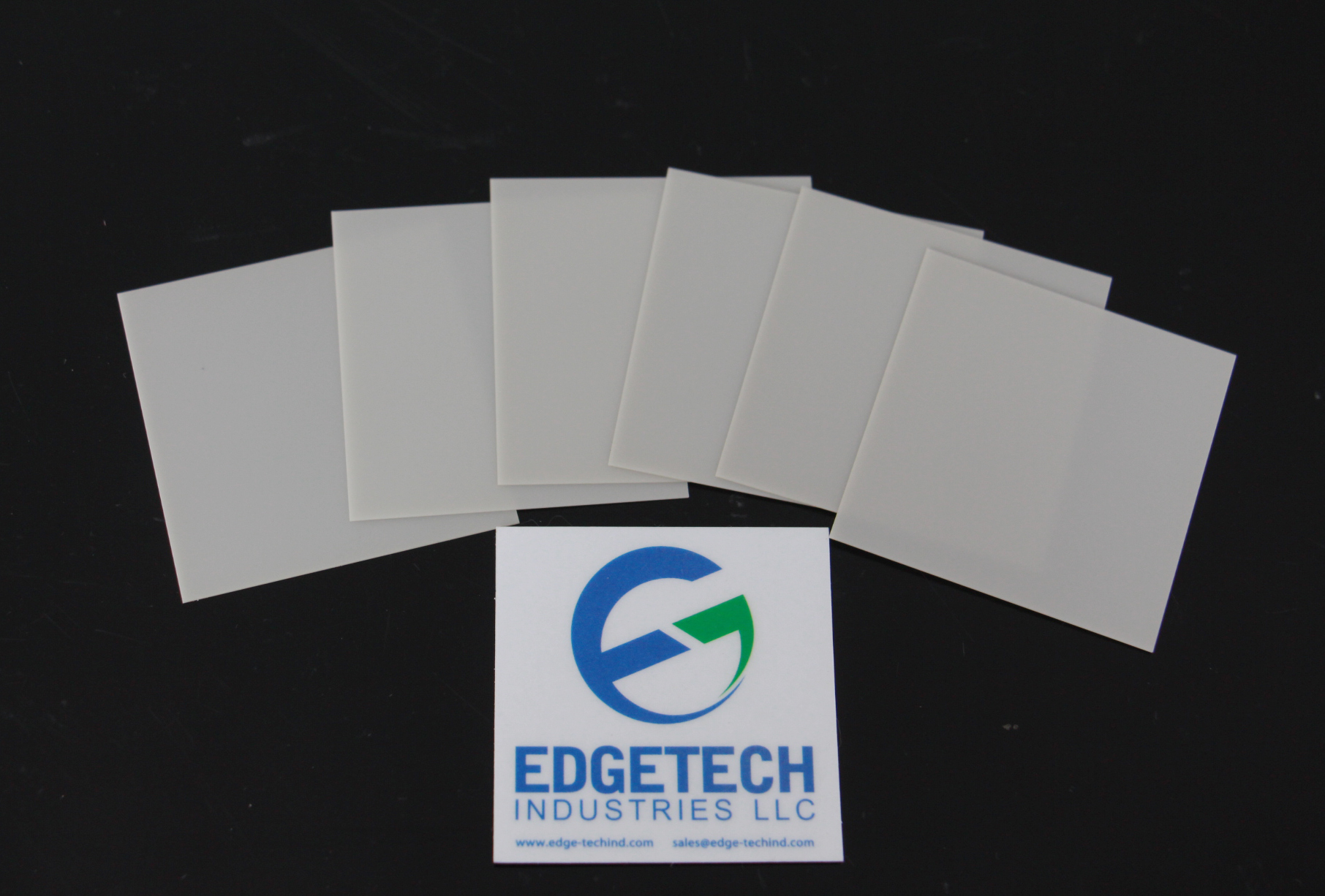

Aluminum Nitride Ceramics in Semiconductor Equipment: From ESCs to Wafer-Level S
Semiconductor manufacturing does not tolerate weak materials for long. Equipment runs under tight thermal windows, contamination control is strict, and component stability affects yield more than most outsiders realize. That is one reason Aluminum Nitride Ceramics have become increasingly important across semiconductor tools and supporting hardware.
The material makes sense in this environment. Semiconductor equipment often needs components that dissipate heat efficiently while maintaining electrical insulation and dimensional stability. That can include substrates, heater components, handling parts, and highly specialized ceramic structures used inside advanced process tools.
A good example is the Aluminum Nitride Electrostatic Chuck. Edgetech describes its AlN ESCs as suitable for precision wafer positioning, emphasizing high thermal conductivity, electrical insulation, high purity, and applications including 300 mm wafer processing, compound semiconductor manufacturing, advanced packaging, and micro-LED production. Those are not generic claims. They point directly to the kind of process control challenges that semiconductor manufacturers deal with every day.
The same logic applies to wafer-level substrates and HTCC structures. Edgetech offers polished wafer-level AlN substrates and AlN HTCC products for high-stability packaging and heating-related fields. In HTCC, multilayer structures support integrated circuit paths and packaging functions under demanding conditions. In substrate applications, polished surfaces and dimensional control become critical for downstream process compatibility.
Then there are custom parts. Semiconductor equipment rarely runs on standard geometry alone. Slots, holes, channels, polished interfaces, and custom dimensions often define whether a ceramic part truly works in the system. That is why tailor-made ceramic parts are so relevant in this sector.
For equipment designers and buyers, the advantage of working with one AlN-focused supplier is continuity. A project may begin with a substrate, later require an electrostatic chuck, then expand into custom structural components or heater assemblies. If those parts come from the same material platform, development becomes more coherent.
Edgetech’s AlN range reflects that kind of ecosystem thinking. Rather than treating aluminum nitride as a single product, the company offers multiple AlN formats that fit different stages of semiconductor system design.
In a field where control is everything, material consistency is never a side issue. It is part of the equipment strategy.