
Non-ferrous Metals
Metal Capillary
Advanced Ceramics
Boron Nitride Ceramic
Pyrolytic Boron Nitride
Silicon Nitride Ceramic
Aluminum Nitride Ceramic
Zirconia Ceramic
Alumina Ceramic
Silicon Carbide Ceramic
Deposition Materials
Semimetal Elements
Functional Materials
Neodymium Magnets
Neodymium Disc Magnets
Neodymium Cylinder Magnets
Neodymium Block Magnets
Neodymium Ring Magnets
Neodymium Countersunk Magnets
Magnetic Assemblies
Arc Magnets
Custom Shaped Magnets
Rare Earth Elements
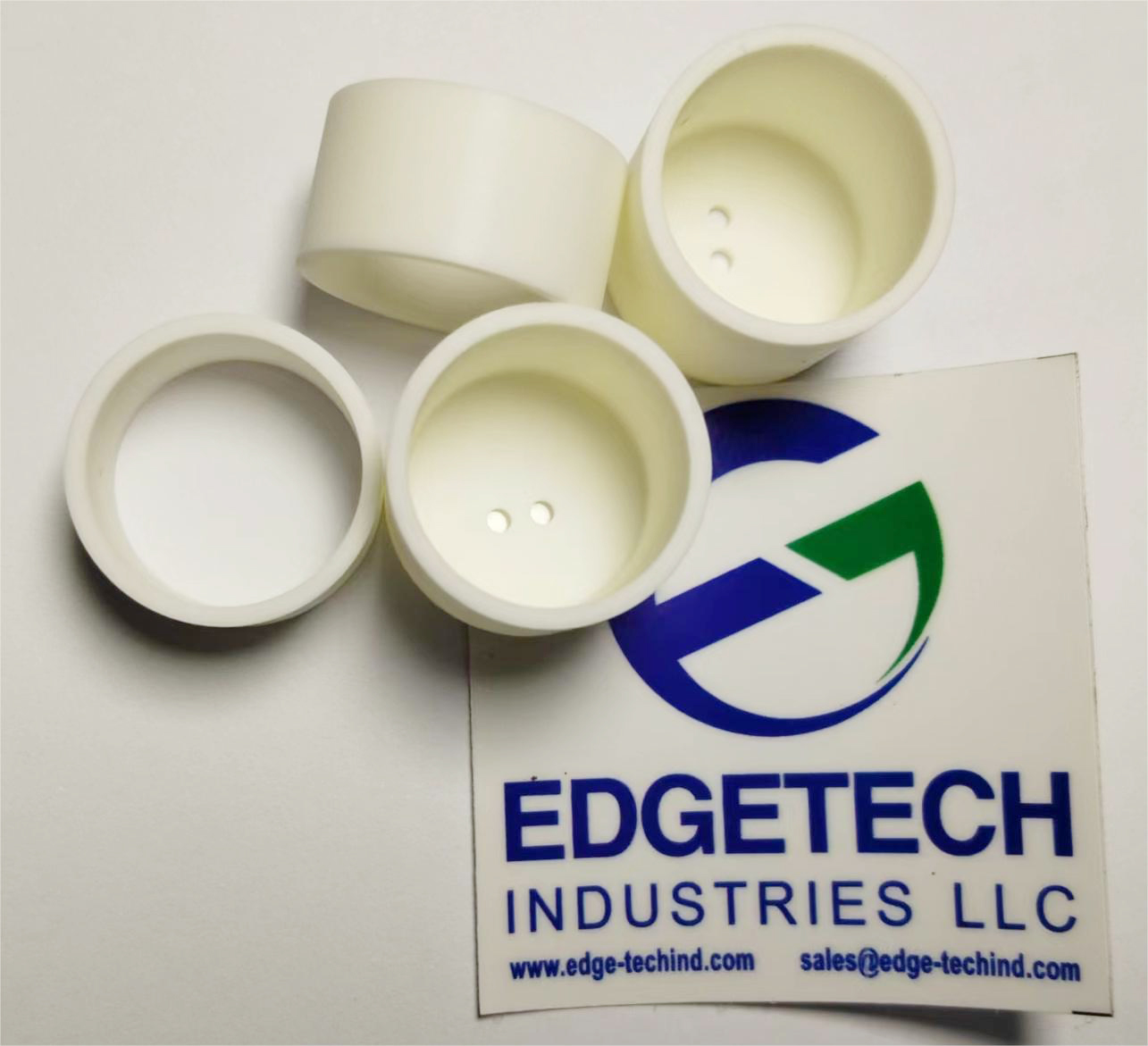

Alumina Ceramic for High-Temperature Crucibles and Furnace Components
Alumina ceramic has become a standard material for crucibles and furnace components due to its ability to maintain structural strength and oxidation resistance under prolonged exposure to high heat. While it does not offer the non-wetting behavior of boron nitride, alumina excels in many situations where mechanical durability and compatibility with oxidizing atmospheres are more important.
Crucibles made from alumina serve reliably in environments where metal interaction is limited or controlled. They are commonly used for melting oxides, ceramics, and metals that do not aggressively attack alumina surfaces. Because alumina remains stable in air, these crucibles are ideal for open-atmosphere processes and laboratory heating cycles.
Furnace components such as tubes, plates, and liners take advantage of alumina’s resistance to deformation. High-temperature furnaces require materials that preserve shape during repeated cycles. Alumina remains dimensionally stable even when held at elevated temperatures for extended periods. Engineers value this property when designing components exposed to both heat and mechanical support requirements.
Alumina’s hardness contributes to wear resistance. Components exposed to abrasive flows or sliding contact maintain functionality longer than those made from softer ceramics. This resilience allows alumina to serve in kilns, burner systems, and thermal processing lines.
In practical terms, alumina components provide a reliable combination of strength, oxidation resistance, and cost efficiency. For many industries, it represents a baseline material that balances performance with accessibility, making it one of the most widely adopted ceramics for high-temperature equipment.